Logistics used to live in the background. If the shipment arrived, nobody asked questions. If it didn’t, customer support took the hit. That mindset does not survive anymore. Today, logistics decides whether a brand feels dependable or careless. It is no longer a back-end function. It is a competitive frontline. Every time a corporation, like DHL, spreads services over 220 countries and territories, all kinds of decisions relevant to logistics get multiplied manifold.
That pressure changed how DHL thinks. Moving faster was not enough. Fixing problems after they happened was already too late. Under Strategy 2025, DHL began shifting toward digital systems that could see trouble early and act before damage spread. This is where predictive logistics enters the picture. Not as a buzzword, but as an operating philosophy built into DHL AI logistics.
This article breaks down how that system actually works. It looks at four pillars that quietly run global operations today. Prediction, routing, planning, and automation. Together, they explain how logistics moved from reaction mode to intelligence at scale, and why the same logic now matters far beyond warehouses and trucks.
Predictive Systems and the Fight with the Future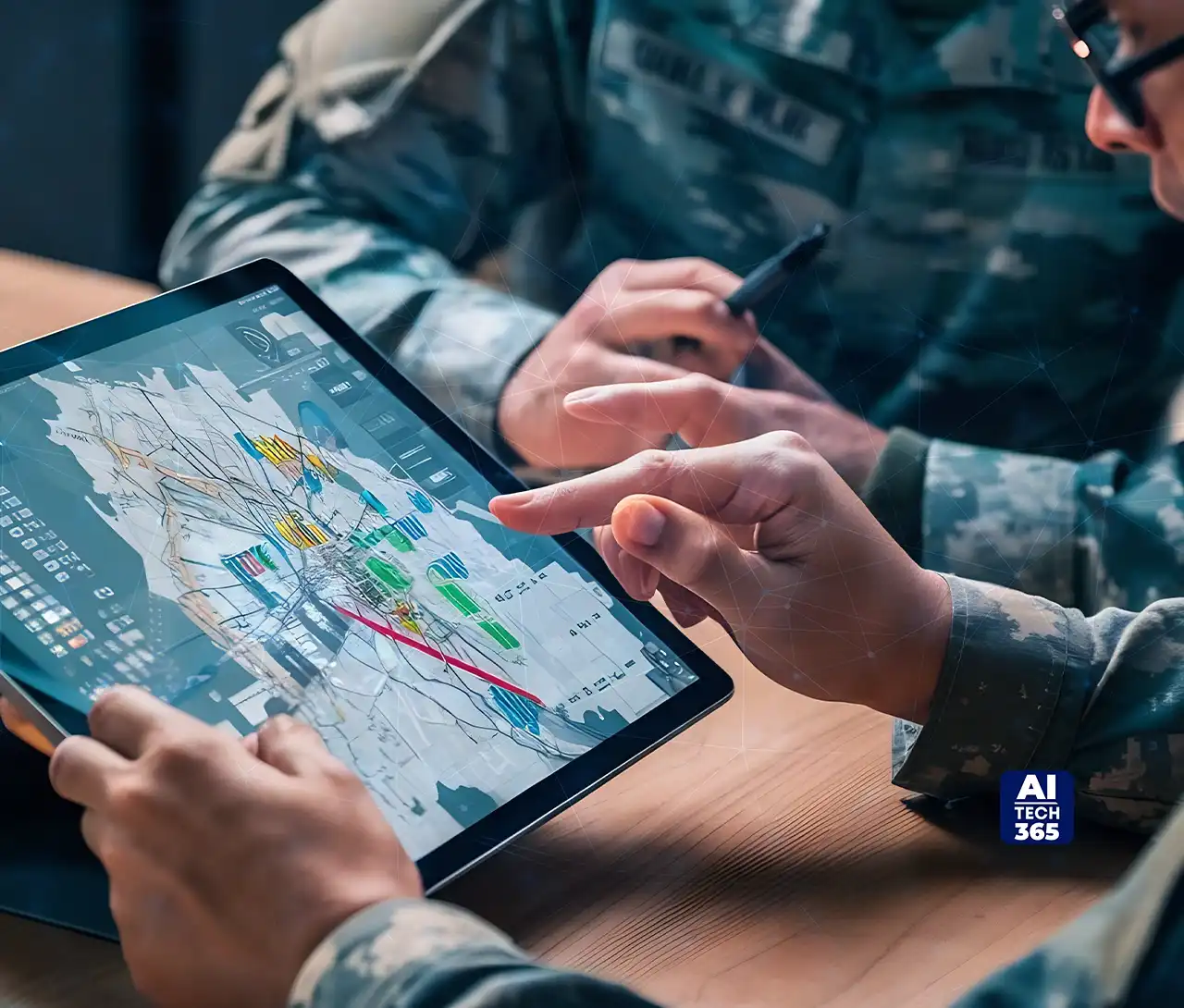
Logistics breaks when the future shows up unannounced. A storm that shifts course. A strike that starts early. A runway that closes at the wrong hour. For DHL, reacting after the fact is already a failure. So the real game is prediction.
This is where systems like Pre-view and Resilience360 come in. Pre-view focuses on air freight delays. It looks ahead, not back. Instead of explaining why a shipment is late, it flags risk before the plane even takes off. Meanwhile, Resilience360 scans the wider world. Weather events. Labor strikes. Political instability. The messy stuff that rarely sits inside a neat spreadsheet.
Under the hood, machine learning models process signals at scale. That includes millions of online posts and a wide range of risk categories that can ripple through global supply chains. As a result, disruptions stop being surprises. They become probabilities. And probabilities can be planned around.
However, what makes this credible is not just tooling. It is mindset. DHL’s Logistics Trend Radar 7.0 maps 40 logistics trends shaping the next decade, with AI clusters like Generative AI, Computer Vision, and Advanced Analytics sitting at the center. This matters because prediction only works when the organization believes the future is something you can model, not something you wait for.
In the context of DHL AI logistics, prediction is not about being right all the time. It is about being early often enough. Because in global logistics, the winner is rarely the fastest mover. It is the one who saw the problem coming and quietly routed around it.
Dynamic Routing and Planning Where the Last Mile Gets Messy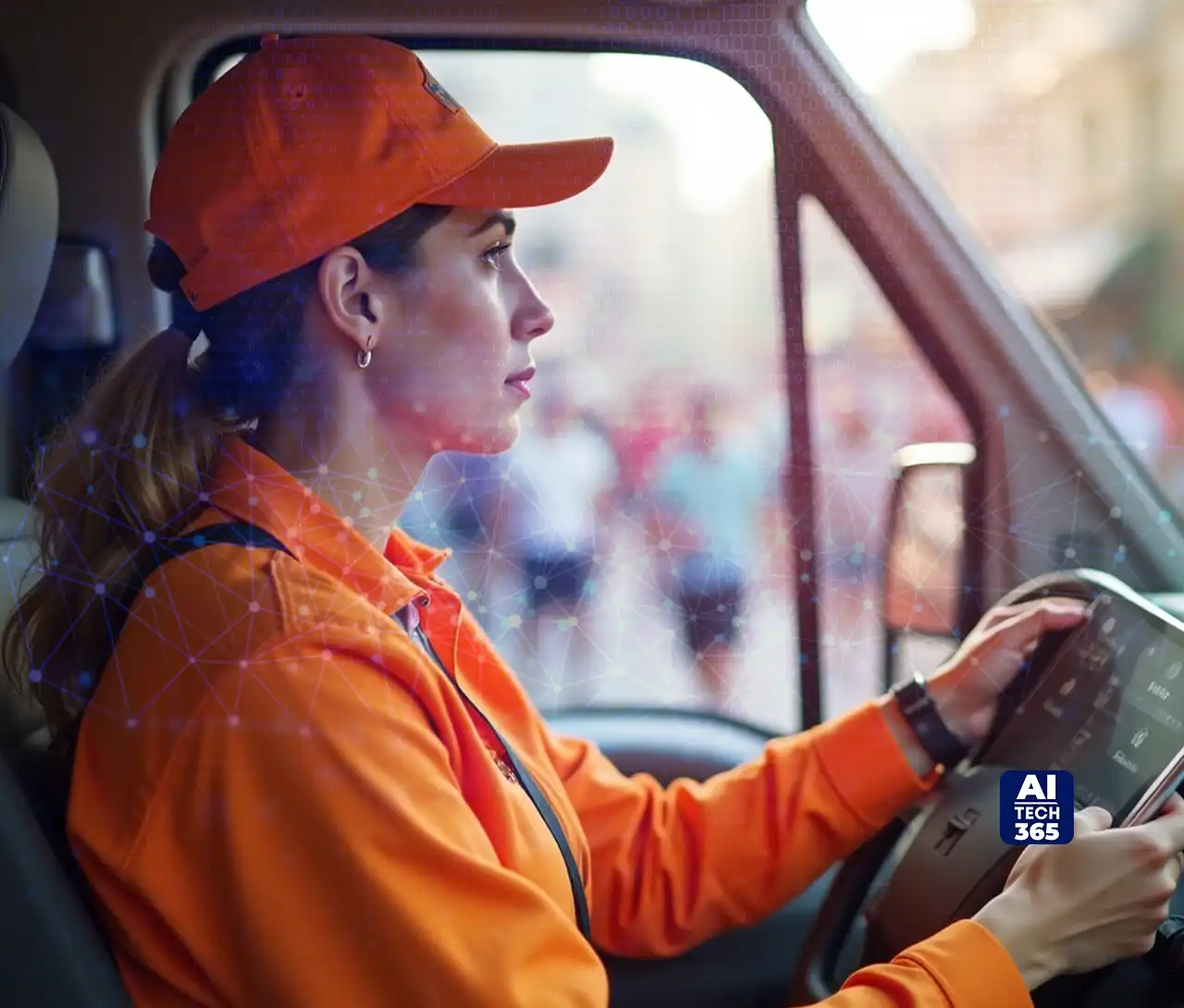
The last mile looks simple on a map and brutal in real life. Traffic changes. Addresses are wrong. Customers are not home. And every extra turn burns fuel, time, and patience. For DHL, this is not a routing problem. It is a math problem that never stops moving.
This is where systems like SmartTruck and IdeaWise come into play. Their job is not to create a perfect route once in the morning. Their job is to keep fixing the route all day long. As new data flows in, traffic updates, weather changes, delivery failures, the system recalculates. Again and again.
At the core sits a classic problem from mathematics, the Traveling Salesman Problem. How do you visit many stops in the shortest possible way without wasting distance? Now scale that across thousands of vehicles and millions of deliveries. That is what DHL works with daily.
Real-time data is the fuel here. GPS signals, traffic feeds, delivery status, driver inputs. All of it feeds the model. As a result, routes are not static plans. They are living decisions. That is why DHL’s AI models can predict delivery arrival windows with roughly 90 to 95 percent confidence using live data. That level of accuracy changes everything. Drivers plan better. Customers wait less. Operations stay calmer.
There is also a quieter benefit. Better routing means fewer unnecessary miles. Fewer miles mean less fuel burned. And that leads to lower CO2 emissions without adding extra sustainability programs on top. Efficiency itself becomes the sustainability lever.
In DHL AI logistics, routing is not about speed alone. It is about orchestration. Every decision connects to cost, experience, and environmental impact. When math, data, and planning work together in real time, the last mile stops being chaos. It becomes a system that learns as it moves.
Warehouse Automation When Goods Start Moving to People
Warehouses used to be built around human movement. People walked. Goods waited. Time leaked out in every aisle. DHL flipped that logic. Now the system moves first, and humans follow the flow.
At the front line are collaborative robots, including platforms like Locus Robotics. These machines do not replace workers. They walk with them. They carry, guide, and queue the next task so human effort is spent on judgment, not footsteps. Edge AI keeps decisions close to the floor, reacting instantly to congestion, delays, or sudden spikes in volume.
But the bigger shift happens before the warehouse even goes live. Digital Twins allow DHL to model the entire operation in software first. Every picker path. Every robot handoff. Every bottleneck that could form at peak hour. The full operation is simulated end to end before a single box is touched. That is how risk is removed early, not managed later.
This enables the move from human-to-goods to goods-to-person. Rather than workers going after inventory, it comes just in time when it is needed. Consequently, the warehouse throughput increases, the mistakes decrease, and the warehouse turns out to be not a reactive but a predictable one.
Scale is what makes this real. DHL has implemented nearly 10,000 automation and digitalization projects globally and deployed over 8,000 collaborative robots across operations. That level of deployment signals something important. This is not experimentation. It is an operating model.
In DHL AI logistics, warehouses are no longer static buildings. They are adaptive systems. Robots execute. Digital Twins anticipate. Edge AI adjusts in real time. And humans are freed to handle the exceptions that machines still cannot. That is what modern automation actually looks like when it works.
Also Read: Vector Search vs. Keyword Search: Which Future Will Power Enterprise CX?
Translating Logistics AI to Martech Use Cases
At first glance, DHL and marketing seem worlds apart. One moves parcels. The other moves messages. But look closer and the pattern is the same. Logistics is the physical version of a customer journey. Marketing is the digital one. Both deal with scale, timing, friction, and expectations. And both break when decisions arrive too late.
This is why marketers should care about how DHL builds AI systems. Not because they need trucks or warehouses, but because the logic transfers cleanly.
Start with predictive logistics. DHL does not wait for a delay to happen before reacting. It looks for early signals and acts ahead of time. In Martech, predictive lead scoring works the same way. Behavior, intent, and context are signals. The goal is not perfect prediction. It is early intervention. Spot churn before it shows up in revenue. Detect buying intent before the customer fills a form.
Next comes dynamic routing. DHL constantly recalculates routes to reach the destination with minimum waste. In marketing, the destination is conversion or retention. The route is the journey. Email, SMS, push, ads. Each channel has a cost. Each touch adds friction. Customer journey orchestration is about choosing the most efficient path, not the loudest one. The fuel-efficient route here is the one that delivers impact with the least spend and fatigue.
Then there is planning and inventory. DHL plans inventory movement so the right item is available at the right place and time. Marketing has the same problem, just with content. Images, copy, videos, offers. Hundreds of assets sit idle while teams scramble at launch time. An AI-driven content supply chain ensures the right asset is ready in the right system when the campaign needs it.
None of this works without intent. DHL treats digitalization and automation as long-term strategic pillars, first under Strategy 2025 and continuing into Strategy 2030. That matters. Because AI only compounds when it is built into the operating model, not bolted on.
The real lesson is simple. DHL’s decision-making process is partly automated which allows people to concentrate on the exceptions. Marketers who take the same route will no longer monitor the dashboards and will rather create customer journeys that really progress.
The Clean Data Hurdle Where AI Usually Breaks
Here is the part most AI stories skip. None of this works without clean data. DHL’s AI systems do not run on guesswork or scattered spreadsheets. They run on a unified data lake where events, signals, and history come together in one place. Such a basis is the reason why the whole process of prediction, routing, and automation is not only reliable but also robust instead of being fragile.
The marketers would have an uncomfortable but clear lesson. AI in martech will only be as powerful as the underlying CRM and first-party data. In case the customer data is not up-to-date, is spread out over different places or is partial, no model will be able to cover it up. AI does not clean chaos. It amplifies whatever you feed it. Clean inputs are not a nice-to-have. They are the entry ticket.
The Future of Autonomous Commerce
What DHL really proves is not that AI is powerful. Everyone knows that by now. What it proves is that efficiency is designed, not wished for. In the physical world, DHL uses AI to predict trouble, reroute before things break, and automate the boring repeat work so scale does not turn into chaos. That exact blueprint applies to the digital world of marketing.
Different medium, same logic. Customer journeys are just supply chains made of clicks instead of cartons. If DHL AI logistics can orchestrate millions of physical movements with precision, Martech systems can do the same with messages, channels, and timing.
The edge will not come from more tools or louder campaigns. It will come from building systems that handle routine decisions automatically. When that happens, humans can step in where it actually matters. Context. Judgment. Empathy.
Automate the routine to humanize the exception. That is not a slogan. That is the operating model for what comes next.